Form and Flesh
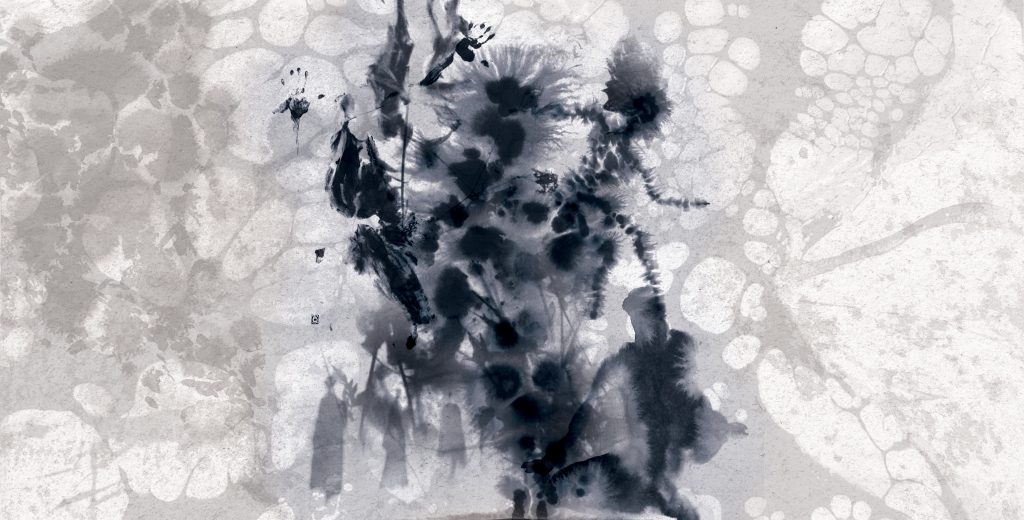
Sensation moves first. Hormones travel through infinitely branching networks of nerves and vessels, sending waves of information across the body before thought ever forms. Pressure, heat, rhythm, and breath translate themselves into emotion. This transmission surrounds us: in the veins of leaves, in the branching arms of trees, in the shifting paths of
rivers carving landscapes over time. Each is defined by movement and exchange. Architecture may be understood through these same living patterns. Not as a static composition frozen at completion, but as a field of flows, responses, contractions, and
adaptations.
Flow establishes the first condition of life. Within the body, blood circulates continuously, delivering oxygen and nutrients while carrying away waste. The system sustains equilibrium through motion alone. Infrastructures contain a similar potential. Water moves through pipes and reservoirs much like blood through arteries and veins, regulating temperature, sustaining occupation, and shaping atmosphere. When treated as a dynamic material rather than a concealed utility, water becomes spatial and sensory.
Cooling air, reflecting light, producing subtle sound. Pumps operate as hearts, pipes distribute pressure, reservoirs store potential energy. Circulation ceases to be invisible and instead becomes the quiet metabolism of a building as it is in life.
Yet flow alone cannot sustain. Living systems respond. The body regulates itself through subtle adjustments—hormones released, blood vessels widening, breathing deeply. Stability emerges not from rigidity but from constant negotiation with changing conditions. Architectural envelopes have the capacity to reflect this logic. Responsive façade systems use materials that behave as artificial muscles, expanding or contracting as sunlight intensifies and temperatures shift. In this condition the façade becomes not a wall but a membrane, sensing and adjusting to its environment. Interior climates are moderated through distributed responses across the surface of the building, echoing the homeostatic processes that maintain bodily balance.
Another rhythm appears through contraction and expansion. Muscles tighten and release. Lungs compress and refill with air. Energy emerges from movement itself. Form can begin to acknowledge this kinetic exchange. Floors embedded with piezoelectric materials transform the pressure of footsteps into electrical current, allowing corridors, staircases, and gathering spaces to become sites where occupation generates power. The compression of a step, the release of weight, the repeated pulse of movement—each becomes part of the building’s internal economy.
Adaptation follows these cycles. A healthy body maintains equilibrium not through stability but through constant adjustment to stress, fatigue, and recovery. Buildings can begin to participate in similar metabolic relationships with their occupants. In Stockholm, the Kungsbrohuset office building captures excess body heat from commuters moving through the adjacent train station, redirecting that warmth into the building’s heating system. Human presence becomes a thermal resource, the energy of crowds transformed into environmental balance.
Architecture begins to metabolize occupation itself.
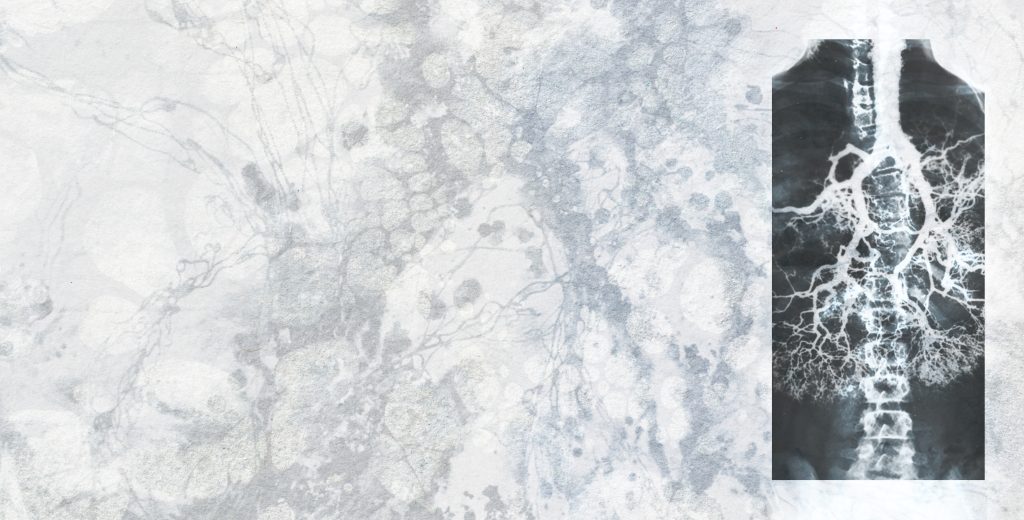
Recognizing that the relationship to built form is cyclical, mirroring the metabolic systems that sustain the body, allows space for imperfection. The body is never static. It ages, fluctuates, fatigues, recovers. Sensation shifts between pain and euphoria, tension and calm. Perhaps the only constant reality is sensation itself. Turning inward to understand these bodily conditions offers a pathway toward more holistic forms of design. Architecture begins not from abstraction but from the lived experience of inhabiting a body.
By shifting from idealized proportion to physiological process, architecture becomes an ongoing event rather than a finished object. It metabolizes climate. It registers occupation. It shifts with time.
Through exposing architectural languages rooted in Vitruvian ideals and recognizing their limitations, a counterpoint emerges: a design methodology generated from the human body understood as collective, cyclical, and imperfect. The Vitruvian figure—symmetrical, stable, youthful—has long shaped architectural proportion and spatial standards. Yet real bodies are far more complex. They are hormonal, emotional, aging, and diverse. Comfort fluctuates. Strength rises and falls. Sensation is uneven and deeply personal.
Within these variations, however, lie systems shared across all bodies: circulation, respiration, metabolism, adaptation. Architecture informed by these systems no longer seeks perfection in form but balance in performance. Surfaces respond to climate. Materials circulate energy. Structures expand and contract with occupation. Environments shift alongside the bodies that inhabit them.
In this alignment between bodily process and built form, architecture moves away from static ideals toward living equilibrium. Harmony emerges not from flawless geometry but from the coordination of imperfect systems—systems that continually negotiate their relationship to the world around them. Let form inhale, pulse with circulation, metabolize energy, scar, heal, and decay, living through the same cycles that both sustain and exhaust the human body.
Architecture, then, is not an object. It is a physiological exchange.
- Decker Yeadon. “Homeostatic Façade Technologies.” Decker Yeadon, n.d.
- Fengqian, Xing. Homeostasis: Responsive Building Envelope Study. UCLA Architecture and Urban Design. https://aud.ucla.edu/student-work/archive/fengqian-xing-homeostasis
- JAGA. “Kungsbrohuset: Energy Efficient Office Building.” JAGA Climate Designers. https://jaga.com/ex/projects/kungsbrohuset/
- Lloyd Thomas, Katie, ed. Material Matters: Architecture and Material Practice. Routledge, 2007.
- “Biomechanical Human Energy Harvesting in Architecture.” International Journal of Engineering Research and Development, vol. 8, no. 1. https://www.ripublication. com/ijerd18/ijerdv8n1_02.pdf
